
Fly UK is a leading International Virtual Airline for the Flight Simulation community.
If you're looking for a realistic, friendly and fun virtual airline, look no further.
Latest News

Easter Delivery
27 Mar 2024 - In with the new.....
Fly UK celebrates 20 years
12 Mar 2024 - Take part in our celebrations
Fleet and operational changes 2024
04 Feb 2024 - Changes coming this year....well some of them ;)Upcoming Online Events
Edinburgh - Bergen

Sun, 21 Apr 2024 at 1300z |
FSD Server
Malpensa - Leipzig

Mon, 22 Apr 2024 at 1300z |
FSD Server
Berlin Brandenberg - Oslo
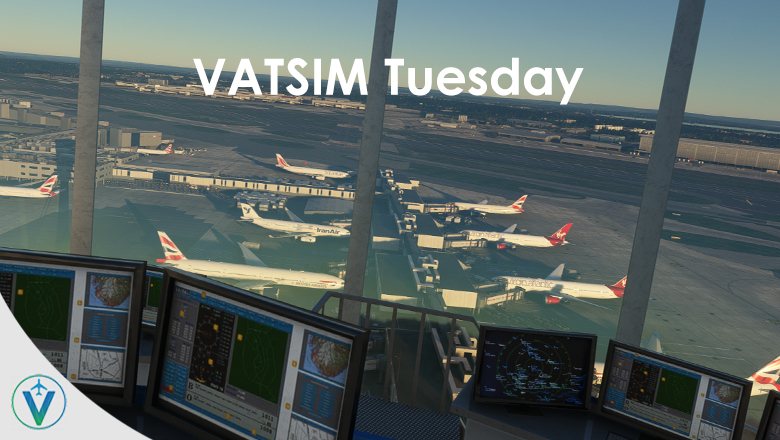
Tue, 23 Apr 2024 at 1800z |
VATSIM
European Capitals Balti to Bucharest

Wed, 24 Apr 2024 at 1800z |
FSD Server
Chicago - Quebec

Thu, 25 Apr 2024 at 1300z |
FSD Server
20th Anniversary Long Haul

Sat, 27 Apr 2024 at 1330z |
FSD Server
Quebec - Washington

Sun, 28 Apr 2024 at 1300z |
FSD Server
Oslo - Bodo
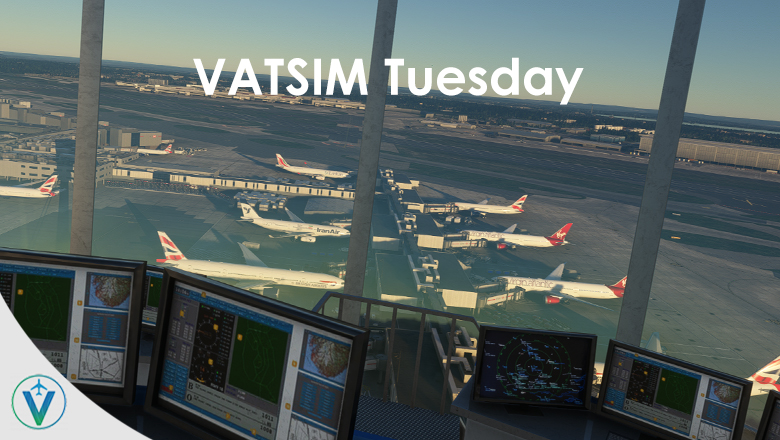
Tue, 30 Apr 2024 at 1800z |
VATSIM
European Capitals Bucharest To Sofia

Wed, 01 May 2024 at 1800z |
FSD Server
From Our Blog
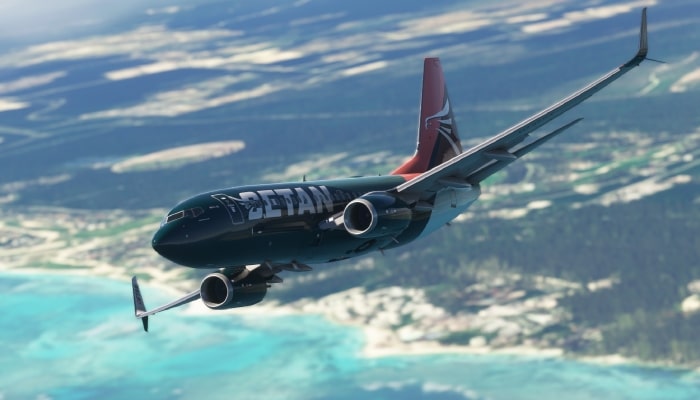
Our American Virtual Airline
Introducing Cetan! Join us as we head stateside to take a closer look at the US-based airline within the Fly UK Group.
Read MoreJan 20, 2024 | by Admin - Staff
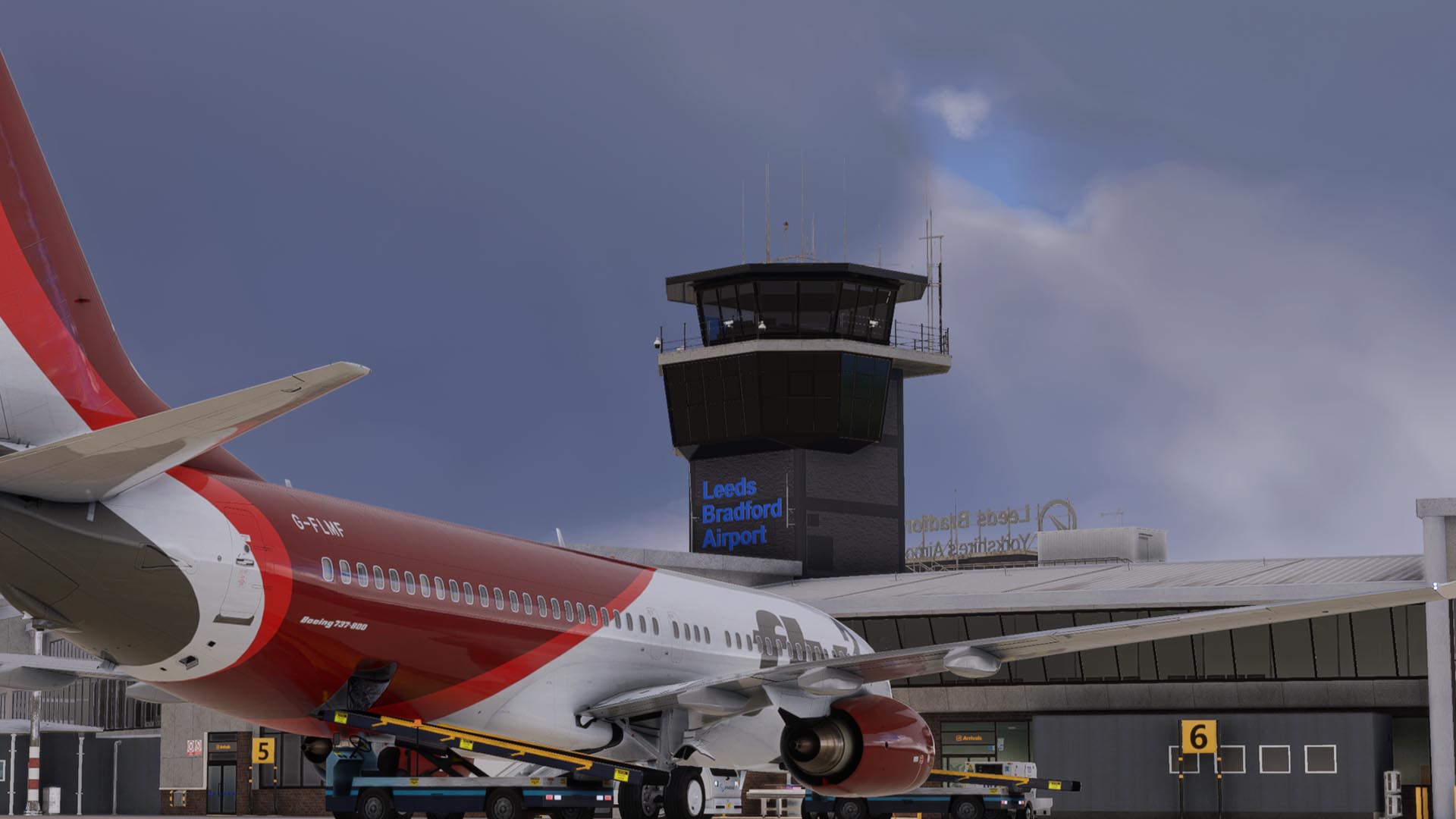
Featured Destination: Leeds Bradford
As we celebrate 20 Years of Fly UK Operation this April, why not go back to where it all started? Leeds Bradford (EGNM) is our Featured Destination for April. Leeds was our first airport and the airport which Fly UK was originally based out of all those years ago. Currently, we operate a selection of UK Domestic and European flights from Leeds with Fly UK and Fly2.
View flights to Leeds

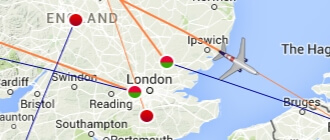
SkyTrack - Live Flights
Who's flying where? Take a look at the SkyTrack Live Map to see what Fly UK flights are currently being flown, all in real time!
SkyTrack Live Map